

Maintenance
The Complete Boat Maintenance Checklist
Published · StarboardLog
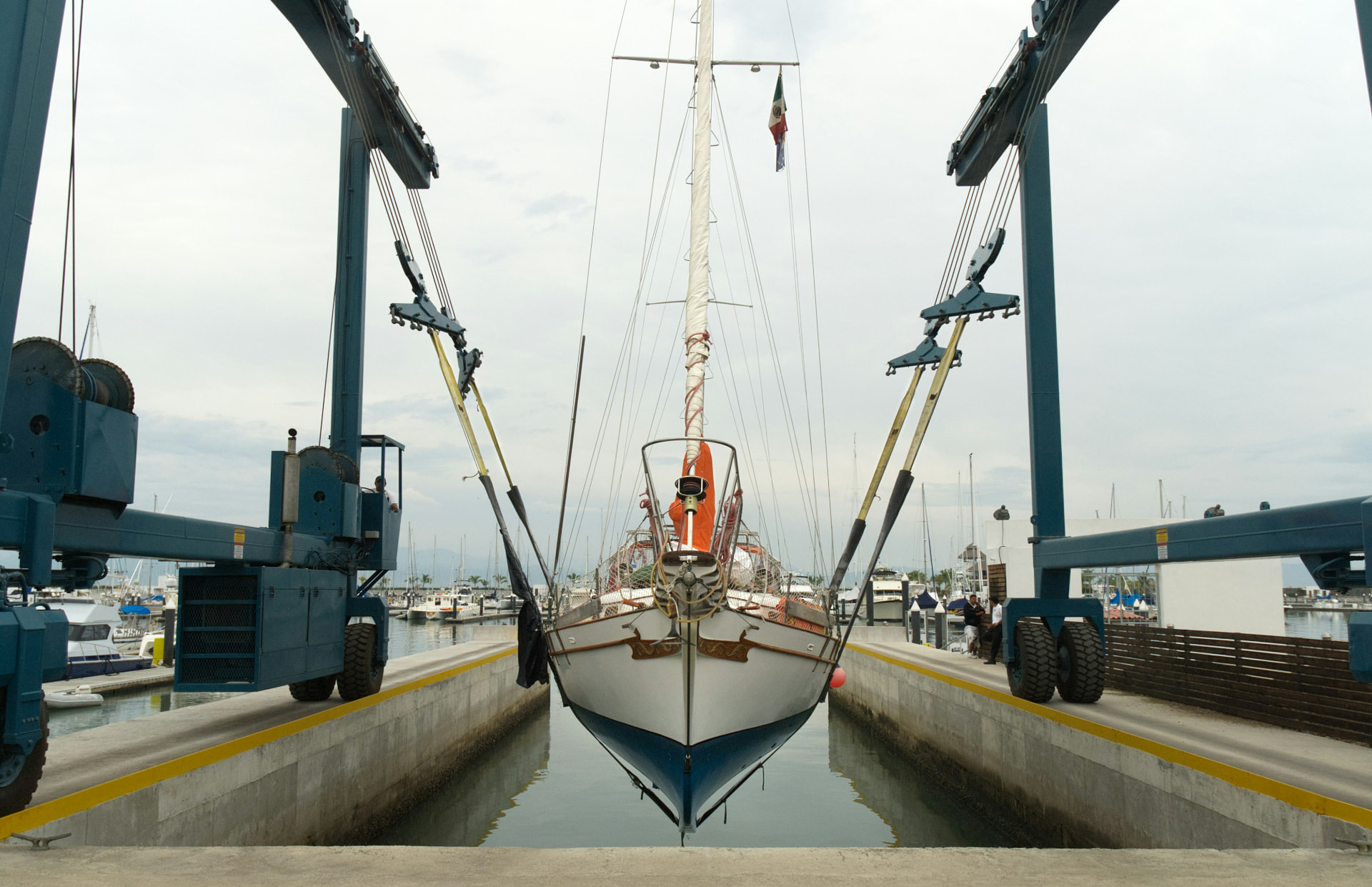
Good boat maintenance is easier when it becomes a routine rather than a reaction to something going wrong. The challenge is that maintenance does not follow a single clock: some tasks depend on calendar time, others on engine hours, operating conditions or manufacturer requirements.
A useful maintenance checklist therefore does more than list jobs. It helps you organise what needs attention, when it should be checked and what has already been completed.
Before Every Trip
A short pre-departure check can identify simple problems before they become inconvenient or expensive.
Depending on the vessel, useful checks may include:
- engine oil and coolant levels
- visible fuel, oil or coolant leaks
- bilge condition
- battery status
- belts, hoses and visible connections
- steering operation
- navigation lights
- essential electronics
- safety equipment
- lines, fenders and anchoring equipment
- unusual smells, noises or vibration
- obvious hull or deck damage
The exact checklist should reflect the vessel and how it is operated.
After Using the Boat
The end of a trip is also a useful maintenance checkpoint.
Record anything unusual while it is still fresh in your mind.
Useful post-use actions can include:
- recording engine hours
- noting defects or unusual behaviour
- checking the bilge
- checking lines and shore connections
- cleaning or rinsing equipment where appropriate
- recording fuel or operating expenses
- creating an issue for anything requiring follow-up
A small problem that is recorded immediately is much less likely to be forgotten before the next trip.
Monthly or Regular Checks
Not every boat needs the same monthly routine, but regularly reviewing key systems creates a useful baseline.
Consider checking:
- batteries and charging
- electrical connections
- bilge pumps and alarms
- seacocks and accessible through-hull fittings
- steering systems
- visible hoses and clamps
- fire extinguishers and safety equipment condition
- navigation and communication equipment
- freshwater systems
- heads and sanitation systems
- deck hardware
- mooring equipment
- engine compartment condition
Frequency should always be adapted to usage, storage conditions and manufacturer guidance.
Engine-Hour-Based Maintenance
Many engine and generator tasks are based on operating hours rather than calendar dates.
Examples may include inspections, fluid changes, filter changes and other scheduled service items.
The important point is not to assume a universal interval.
A particular task might be required after a certain number of hours on one engine and at a completely different interval on another.
Use the manufacturer's maintenance schedule as the source for the actual limit.
Why Recording Engine Hours Matters
If you do not know the current engine hours, it becomes difficult to know how much time remains before the next hour-based maintenance item.
Recording the counter after each use creates a simple chain:
Use → engine hours → maintenance limit → next due item.
StarboardLog can help organise usage counters and maintenance requirements in one vessel record, while the actual maintenance limits remain based on the information applicable to your equipment.
Calendar-Based Maintenance
Other maintenance items depend on time even when the boat is used very little.
These may include:
- periodic inspections
- replacement of age-sensitive items
- annual servicing
- safety-equipment checks
- seasonal preparation
- manufacturer-required calendar tasks
This is why low usage does not necessarily mean no maintenance.
Hours or Calendar — Whichever Comes First
Some maintenance requirements contain more than one limit.
For example, a task may become due after a specified number of operating hours OR after a specified period of calendar time.
When the applicable maintenance instruction uses this logic, the task is due when the first limit is reached.
This is one reason a simple calendar reminder is not always enough for boat maintenance planning.
StarboardLog maintenance requirements can track multiple limits so owners can see which condition is approaching first.
Seasonal Preparation
For boats used seasonally, create separate preparation and lay-up checklists.
Depending on the boat and climate, preparation may involve:
- recommissioning systems
- inspecting batteries
- checking fluids
- testing pumps
- inspecting safety equipment
- checking rigging or deck equipment where applicable
- testing navigation equipment
- inspecting the engine and drive system
Lay-up or winterisation requirements vary considerably by vessel, machinery and climate, so follow the appropriate manufacturer and professional guidance.
Annual Review
At least once a year, review the vessel as a whole rather than looking only at individual service jobs.
Useful questions include:
- Which maintenance items were completed?
- What will become due next?
- Are there unresolved issues?
- Have any components been replaced?
- Are important documents still current?
- Are equipment manuals and service records organised?
- What did maintenance cost during the year?
- Are there recurring defects worth investigating?
This turns maintenance history into useful information for future planning.
Keep Evidence With the Maintenance History
A useful maintenance record can contain more than a completion date.
Where relevant, retain:
- what was done
- date
- engine/counter reading
- supplier or service provider
- parts or materials
- cost
- invoice
- service report
- photographs
- supporting documents
Good records make it easier to understand the vessel's history later.
From Checklist to Maintenance System
A checklist is a good starting point.
As the number of jobs, components and due dates increases, the challenge becomes keeping everything connected.
StarboardLog is designed to keep vessel maintenance requirements, counters, components, issues, expenses and history together without trying to replace the vessel's official documentation or manufacturer instructions.