

Shared Ownership
A Practical Guide to Shared Boat Ownership
Published · StarboardLog
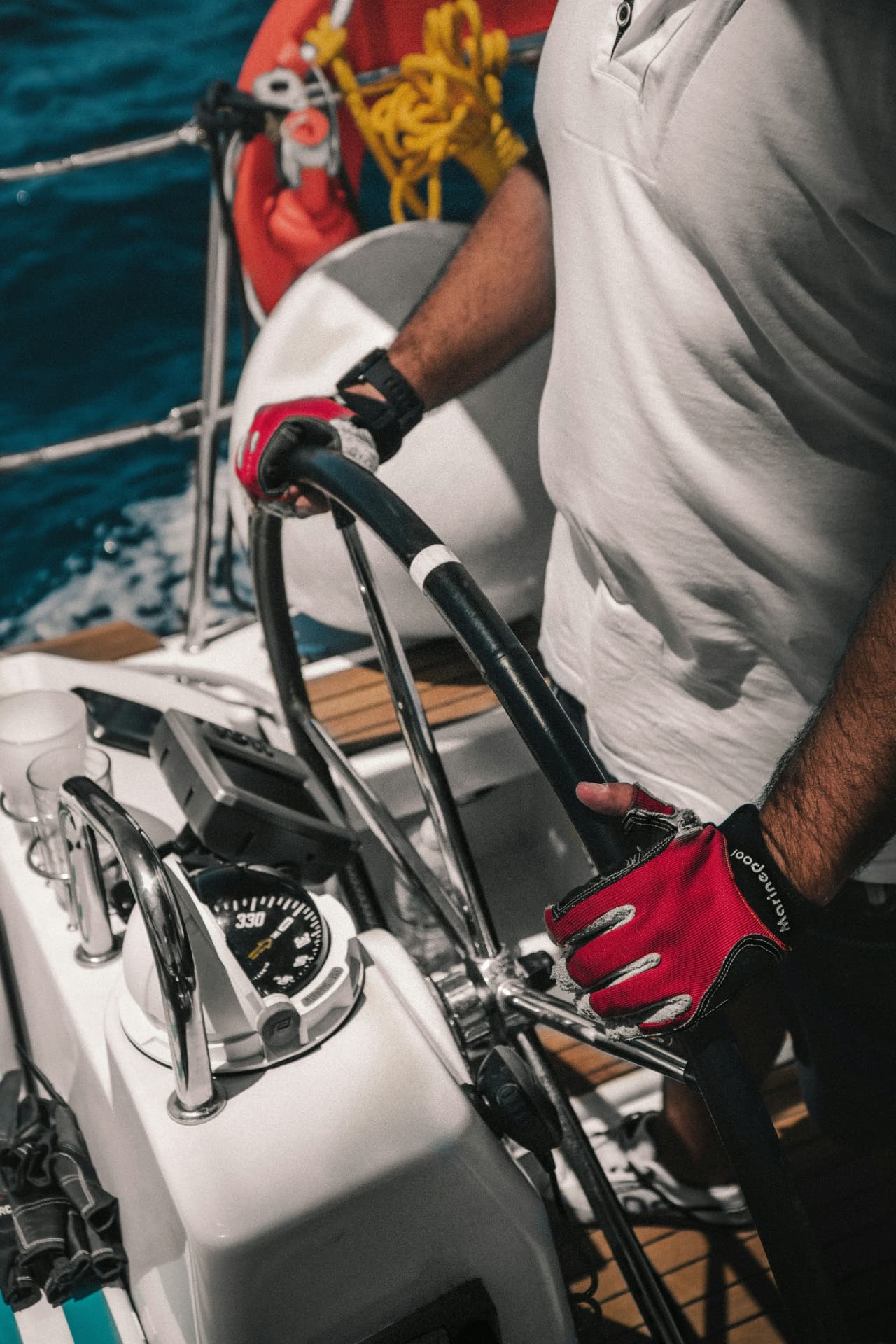
Sharing a boat can reduce the cost and workload of ownership while allowing several people to enjoy a vessel that might otherwise spend most of its time unused.
The difficult part is rarely the idea itself.
The challenge is creating clear rules for time, costs, maintenance and decisions before disagreements appear.
Ownership Share and Usage Are Not the Same Thing
One of the most important distinctions in shared ownership is the difference between:
- legal or agreed ownership share
- actual vessel usage
A person might own 50% of a boat but use it only 25% of the time during a particular season.
That does not automatically mean every expense should be split according to usage.
Different types of cost can reasonably use different allocation methods if the owners agree.
Agree on Booking Rules
Shared ownership becomes much easier when everybody can see the same calendar.
Useful questions to agree on include:
- How far in advance can owners book?
- Can one owner reserve several consecutive weeks?
- How are popular weekends or holidays handled?
- What happens when plans change?
- Can bookings be cancelled?
- Can guests use the boat?
- Are there periods reserved for maintenance?
The exact rules matter less than making them clear before the calendar becomes contested.
Record Actual Usage
Bookings show planned use.
Actual usage shows what happened.
Depending on the vessel, useful usage information can include:
- date
- owner/member
- duration
- engine counter
- generator counter
- notes
This provides a more objective basis if owners choose to allocate some variable expenses according to usage.
Choose How Different Expenses Are Split
There is no single correct method for every expense.
Common approaches include:
Ownership Share
A fixed cost can be divided according to each person's ownership percentage.
This may suit costs that exist regardless of how much each person uses the vessel.
Equal Split
Some groups prefer to divide particular costs equally between all owners.
Usage-Based Split
Variable costs can sometimes be allocated according to recorded usage.
Custom Split
There will always be exceptions.
A specific repair, purchase or agreement may require a custom allocation.
The important point is that the method should be visible and agreed rather than reconstructed months later.
Keep Owner Balances Understandable
If several people pay different invoices during the season, it quickly becomes difficult to remember who owes whom.
A useful system should distinguish between:
- the original expense
- how the expense is allocated
- who actually paid it
- each owner's resulting balance
- settlements between owners
This avoids duplicating expenses simply to represent who owes a share.
StarboardLog keeps expense allocation and owner balances connected to the underlying vessel expenses.
Keep Currencies Separate
Shared boats may generate expenses in different countries.
If expenses exist in EUR and GBP, for example, automatically combining them into one number requires an exchange-rate assumption.
Without proper FX accounting, keeping balances separated by currency is clearer.
StarboardLog does not silently convert owner balances between currencies.
Maintenance Needs Shared Visibility Too
Shared ownership is not only about money and bookings.
Everybody should understand whether the vessel has:
- an open issue
- upcoming maintenance
- a period blocked for maintenance
- a recently completed repair
- an operational restriction worth knowing about
Centralising this information reduces dependence on chat messages and memory.
Create a Written Co-Ownership Agreement
Software can organise information, but it cannot replace an agreement between owners.
A written agreement should be considered for important matters such as:
- ownership shares
- booking rules
- expense allocation
- responsibility for damage
- maintenance decisions
- insurance
- selling an ownership share
- major upgrades
- dispute handling
- what happens if an owner wants to leave
The appropriate legal arrangement depends on the owners and jurisdiction. Obtain professional legal advice where appropriate.
Separate Rules From Records
A useful way to think about shared ownership is:
Your agreement defines the rules.
Your records show what happened.
StarboardLog focuses on the second part: bookings, actual usage, ownership shares, expenses, allocations, settlements, maintenance and vessel history.
Make Shared Ownership Boring
That may sound like a strange goal, but administration works best when it is uneventful.
Everyone can see when the boat is booked.
Expenses have a clear source.
Usage is recorded.
Balances can be understood.
Maintenance does not disappear into a group chat.
The less time owners spend reconstructing information, the more time the shared boat can simply be enjoyed.